
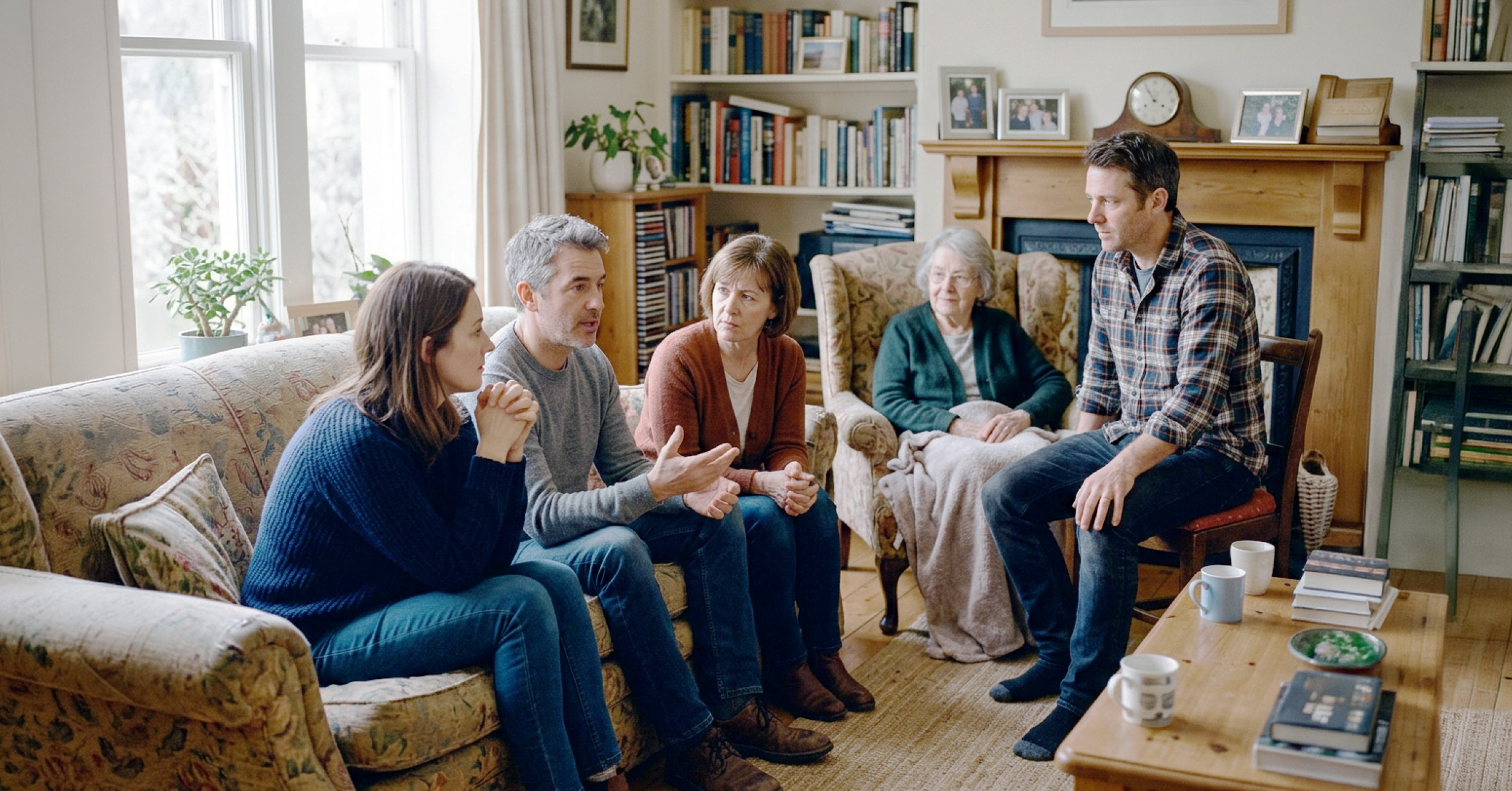
Navigating family dynamics in the midst of caregiving
Family dynamics can be complicated on a good day. When caregiving enters the picture, those dynamics rarely disappear. In fact, they tend to intensify.
I often describe it like someone shaking up a snow globe. Suddenly, everything that was settled begins swirling again. Old roles, expectations, and unresolved tensions rise to the surface all at once.
In families navigating caregiving, certain patterns appear again and again.
One person often becomes the Primary Caregiver—the one who coordinates appointments, manages medications, handles paperwork, and fields calls from doctors and providers.
Meanwhile, other family members may have strong opinions about decisions but limited involvement in the day-to-day work. Sometimes distance makes participation difficult. Other times, long-standing family dynamics quietly shape who steps forward and who steps back.
Then there’s the classic mindset many caregivers fall into:
“I’d rather just do it myself.”
At first, it can feel simpler. You already know the routines. You know your loved one’s needs. You don’t have to explain everything.
But caregiving was never meant to be a one-person job.
When someone carries the entire responsibility alone, it often leads to emotional exhaustion, resentment, and isolation. What starts as dedication can quietly turn into burnout.
That’s why conversations about family dynamics are so important in caregiving discussions.
In my keynote and breakout sessions on this topic, we talk honestly about the issues families encounter most often:
Control and Decision-Making
When a loved one’s health begins to decline, decisions about medical care, living arrangements, and finances often need to be made quickly. Family members may disagree about what is best, especially if expectations haven’t been discussed beforehand.
Clear communication and early planning can prevent many of these conflicts before they escalate.
Financial Protection
Unfortunately, older adults are frequent targets of scams and financial exploitation. Families need to stay alert and work together to protect vulnerable loved ones from manipulation or fraud.
Encouraging open conversations about finances, monitoring unusual activity, and creating safeguards can make a tremendous difference.
Resentment and Unspoken Expectations
One sibling may feel they are carrying the entire burden. Another may feel excluded from decisions. Long-standing rivalries can quietly resurface.
Acknowledging these feelings doesn’t weaken a family—it helps them navigate caregiving more honestly.
Asking for Help
Caregivers often hesitate to ask for help because they worry others won’t do things “the right way.” But inviting others into the process—even in small ways—can bring needed relief and perspective.
A meal delivery. A ride to an appointment. Sitting with a loved one while the caregiver takes a walk.
These moments of support matter.
Caregiving affects entire families, not just the person providing the most direct care. When families approach the experience with clarity, communication, and compassion, they often discover something unexpected:
They can move through this season with more understanding than they imagined.
Caregiving may reveal old dynamics, but it also creates opportunities for new ones—built on empathy, respect, and shared responsibility.
And those are the relationships families carry forward long after the caregiving chapter has ended.